What Is a Highway Anti-Fatigue Laser Light?
LASER KNOWLEDGE | ROAD SAFETY APPLICATIONS
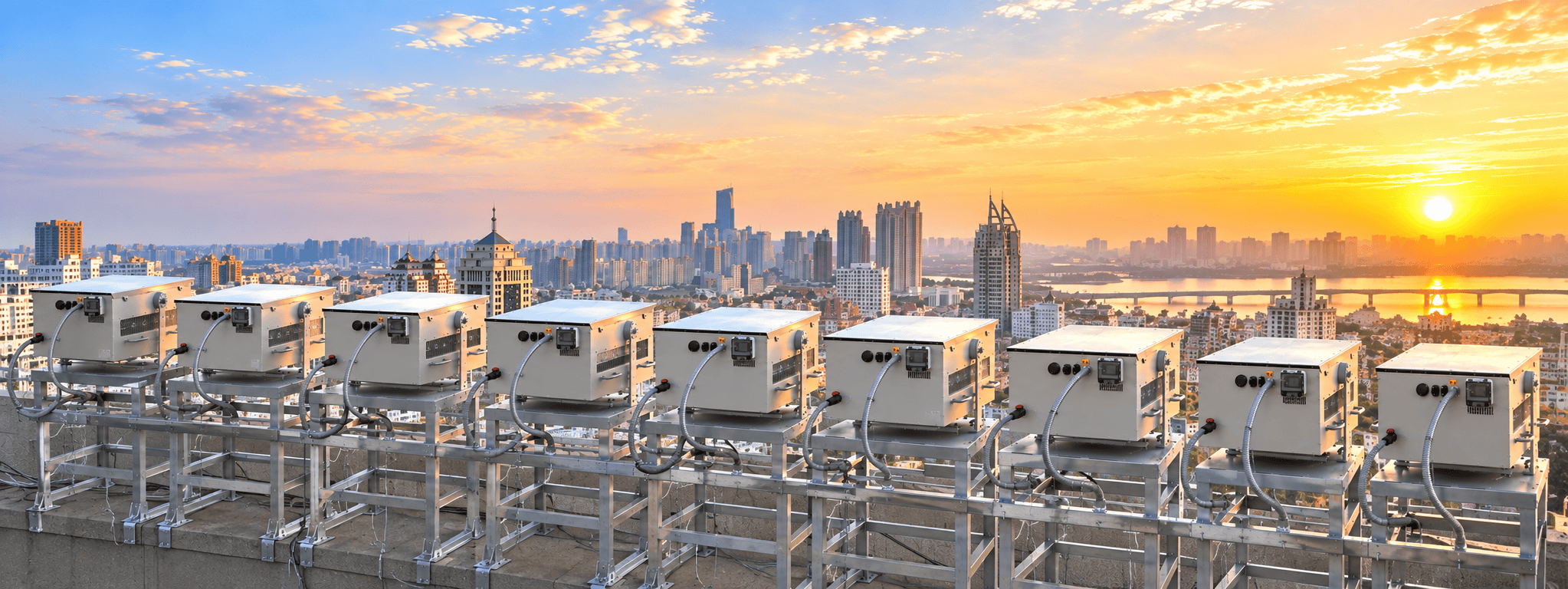
A highway anti-fatigue laser light, sometimes called a green laser warning light, is a specialized visual warning concept intended to attract attention in certain road environments.
These systems use visible laser light to create warning effects. However, their suitability for public roads depends on traffic safety requirements, laser exposure limits and approval from the relevant authorities.
1. How Does a Highway Anti-Fatigue Laser Light Work?
A green laser warning system uses laser light to produce a visible warning effect in a designated area. Depending on the equipment, it may offer scheduled operation, automatic switching or different warning patterns.
The intended purpose is to provide an additional visual cue. Any installation must be designed to prevent hazardous laser exposure, glare or distraction to drivers and other road users.
2. Where Are Green Laser Warning Systems Considered?
Subject to local regulations and professional evaluation, proposed applications may include:
- Selected highway and expressway sections
- Long-distance routes where driver fatigue is a concern
- Special traffic warning installations
- Controlled demonstrations and road safety evaluation projects
- Other approved traffic management applications
A proposed use does not establish that the system is approved or effective for a particular road. Public-road installations require review by the responsible authorities.
3. Can Anti-Fatigue Laser Lights Prevent Drowsy Driving?
No laser warning light can replace adequate sleep, rest breaks or responsible driving. A visible warning effect may attract attention, but this does not establish that it prevents drowsiness or reduces accidents.
Drivers who feel tired should stop at a suitable safe location and rest. Laser warning systems, where permitted, should only be considered supplementary traffic safety measures.
4. Can Highway Laser Warning Lights Operate in Fog or Rain?
Laser light may become more visible when scattered by particles or moisture in the air. However, fog and rain can also reduce visibility and change how light is scattered.
Weather resistance, optical performance and the installation environment all need to be evaluated. Greater beam visibility does not necessarily mean better road safety, especially where glare or distraction could occur.
5. What Should Buyers Check Before Selecting a Laser Warning System?
For a proposed road safety laser application, buyers should review the following factors:
- Laser safety: Accessible radiation, glare, reflections and exposure risks
- Regulatory approval: Traffic authority requirements and applicable laser safety rules
- Environmental protection: Weather resistance and operating temperature range
- Control options: Scheduling, remote management and safe shutdown functions
- Installation: Secure mounting, controlled beam paths and maintenance
- Performance evidence: Relevant testing and evaluation for the intended application
Laser emissions must not create hazards for drivers, pedestrians or aircraft. Any public-road deployment should be reviewed by qualified safety professionals and the responsible authorities.
Customized Laser Solutions from NJ Laser Tech
NJ Laser Tech develops laser source modules, professional laser lighting systems and customized laser solutions for different industrial and commercial applications.
Exploring a specialized laser warning application? Contact NJ Laser Tech → to discuss technical requirements, feasibility and applicable safety considerations before selecting a system.